Why is an underground refuge chamber essential in tunnels and mines?
Underground development : including the extraction of raw materials, tunneling, and the installation of underground utility networks and transportation infrastructure; addresses a major challenge: supporting global population growth and the resulting demand for resources and mobility. But these underground projects also impose significant constraints on the entities carrying them out, primarily construction and mining companies. Among the top priorities is ensuring the safe evacuation of workers in the event of an emergency.
A Real Risk on All Underground Construction Sites
Whether it’s tunneling, building a Grand Paris Express station, or operating a mining site, the risk of a serious accident is very real in any type of underground project. Two scenarios occur most frequently:
- a cave-in that cuts off access to the surface;
- a fire that blocks exits and spreads hot, toxic smoke throughout the entire site.
In the face of these dangers, conducting specific studies to define evacuation scenarios for personnel is not an option : it is an absolute necessity for any project owner or operator.
Why a Conventional Emergency Exit Is Not Enough
An underground construction site is characterized precisely by the lack of multiple access points: unlike a building above ground, there are generally only a very limited number of routes to the outside. Safety studies consistently confirm this: evacuating all personnel through a traditional emergency exit is often impossible in the event of a major disaster.
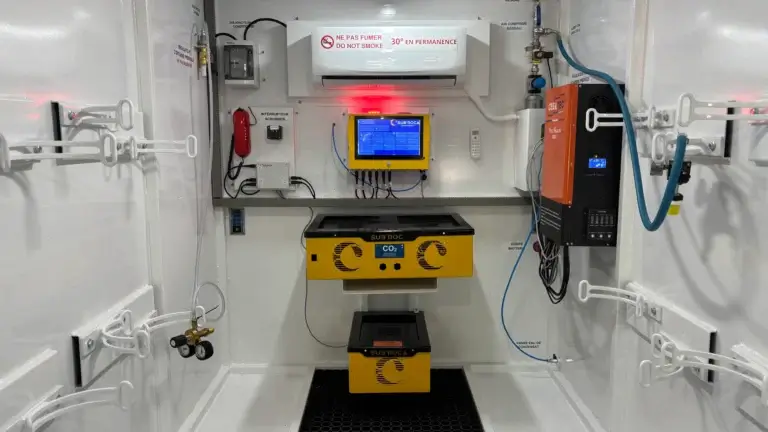
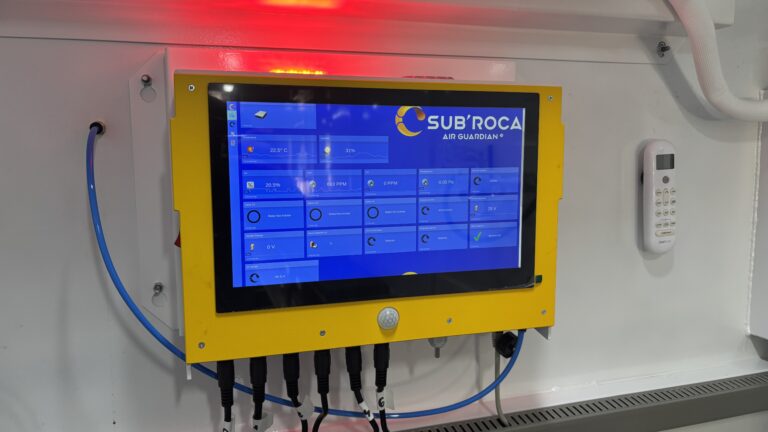
It is precisely to address this impasse that the emergency and rescue chamber, more commonly known as an refuge chamber, stands out as the only viable solution. This airtight shelter ensures a supply of breathable air for a predetermined number of workers for a predefined period of time. Personnel can thus wait safely until the incident is over or rescue teams arrive.
The Different Lines of Underground Shelters
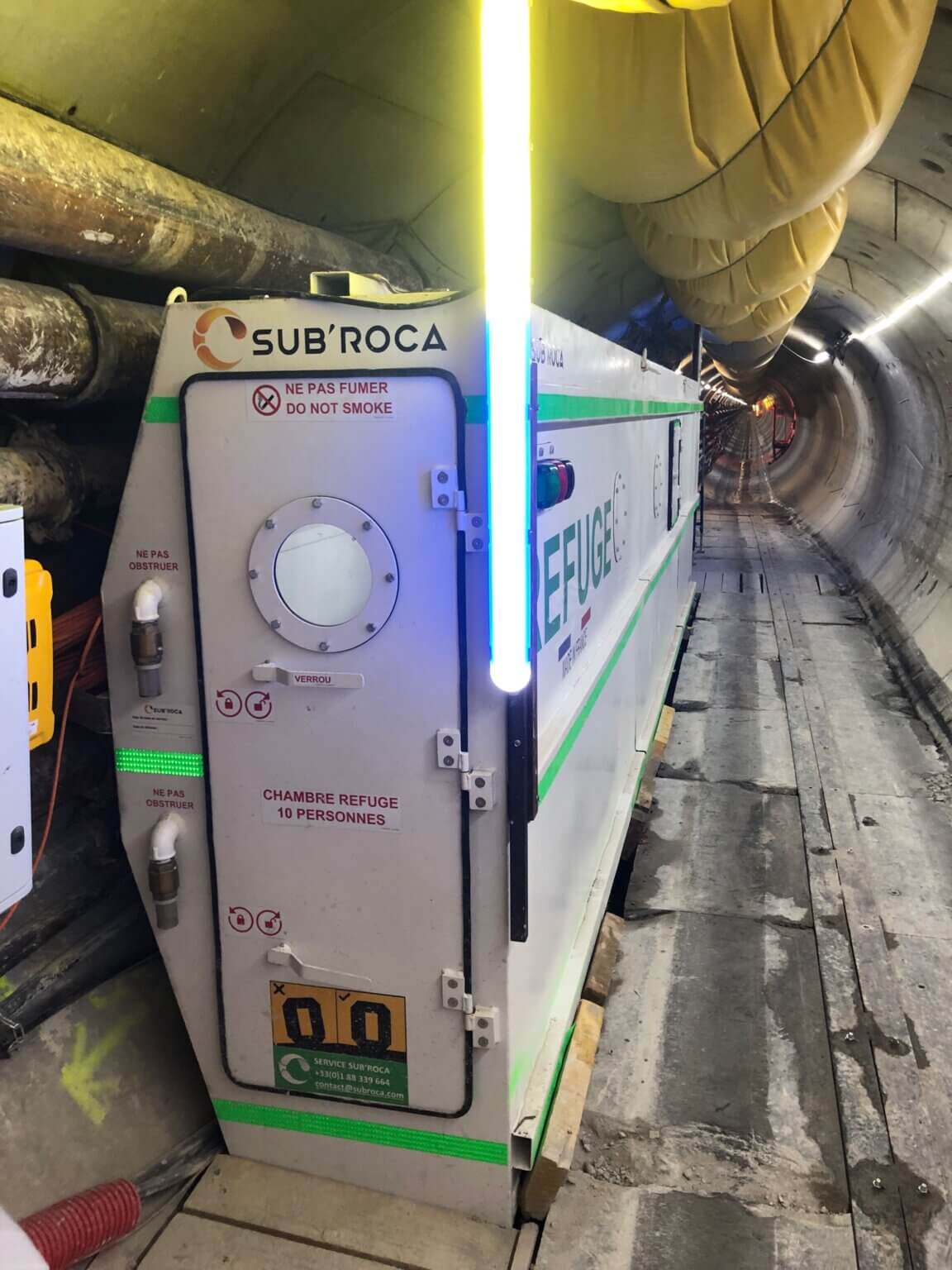
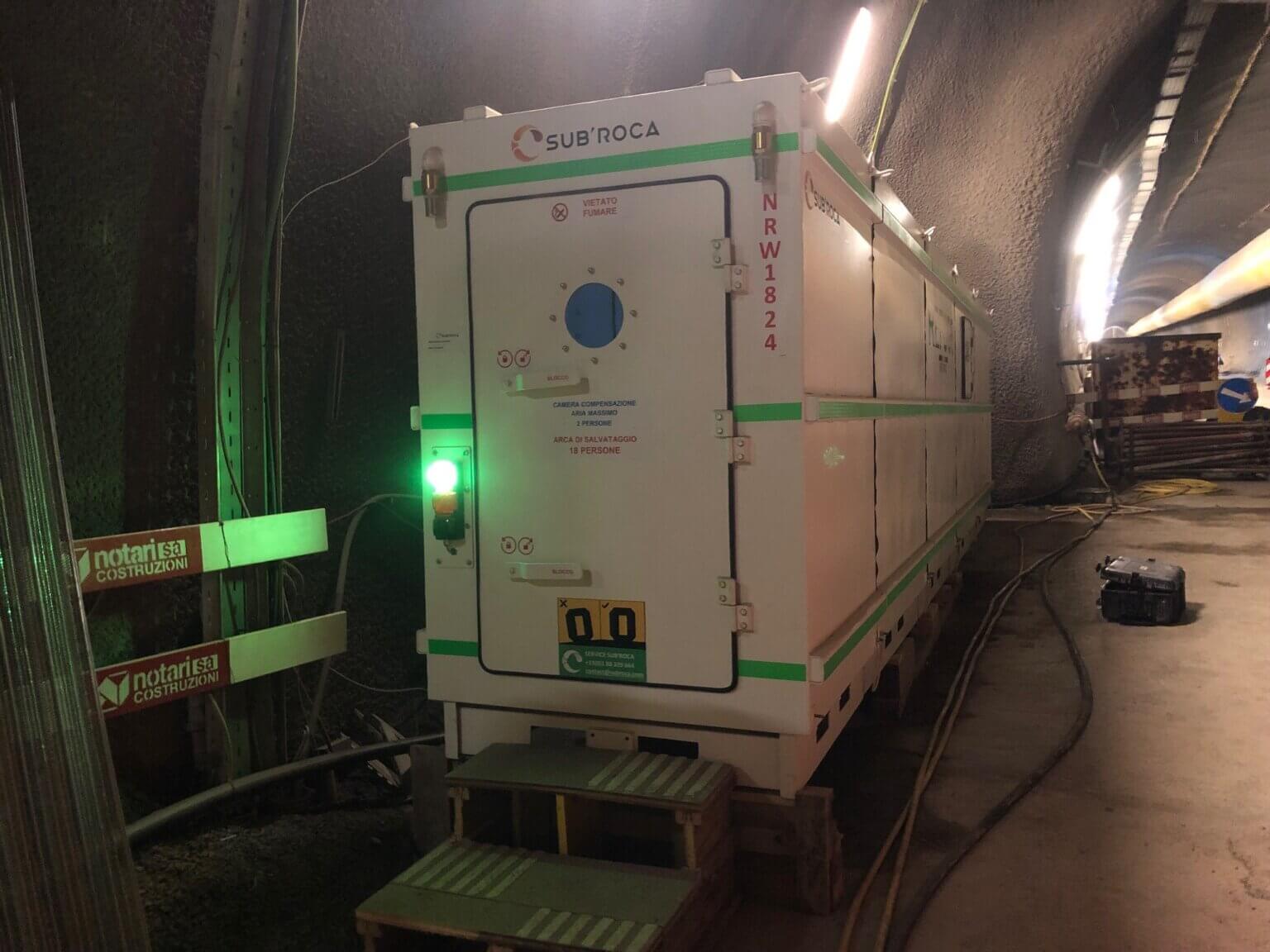
Shelt’air Tunnel Range
Designed for tunnel and microtunnel construction sites currently under excavation, this series can, depending on needs, be directly integrated into a tunnel boring machine or adapted for blasting techniques. It covers a wide range of capacities, protecting up to several dozen people.
See details
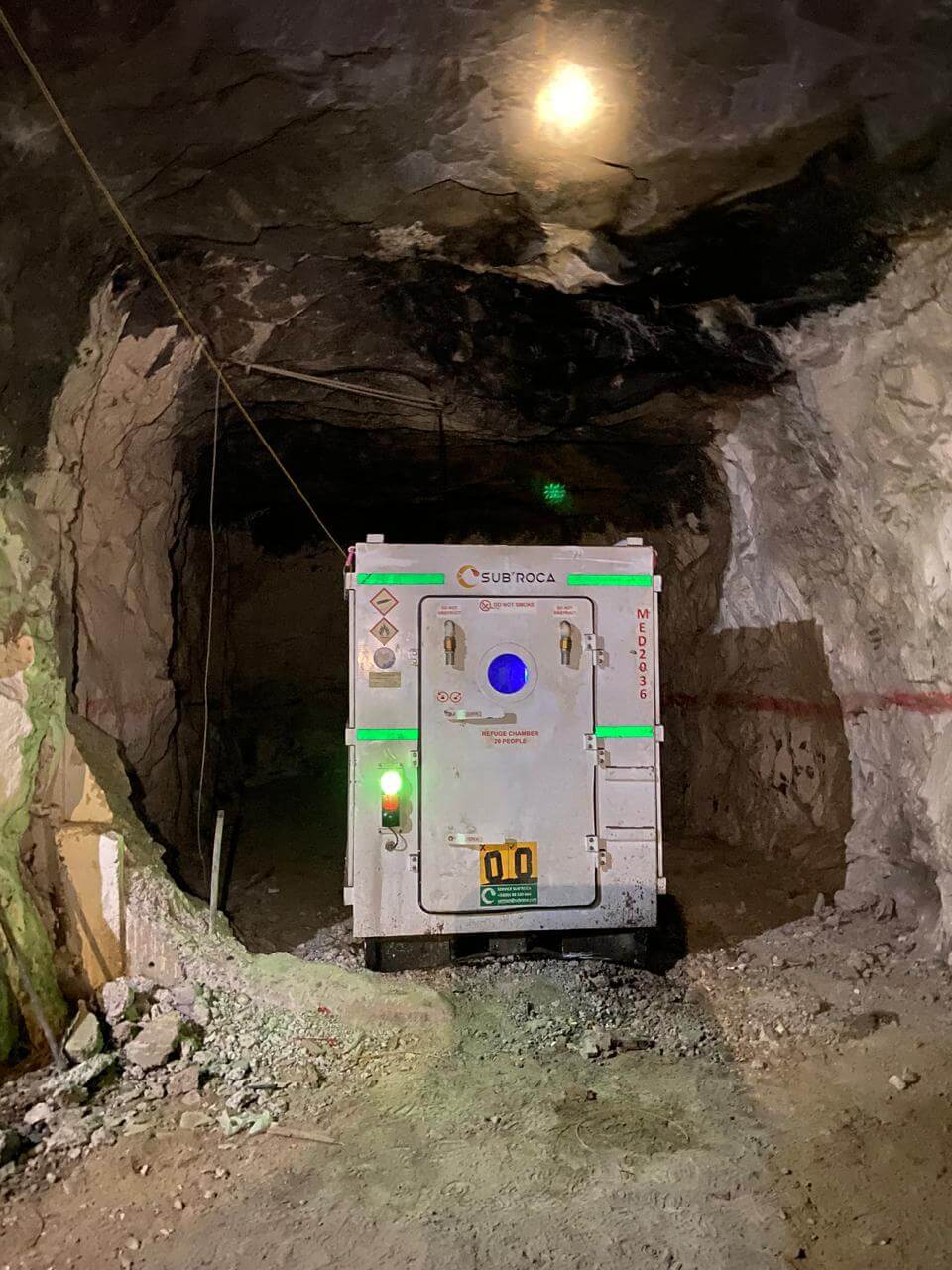
Shelt’air Mine Range
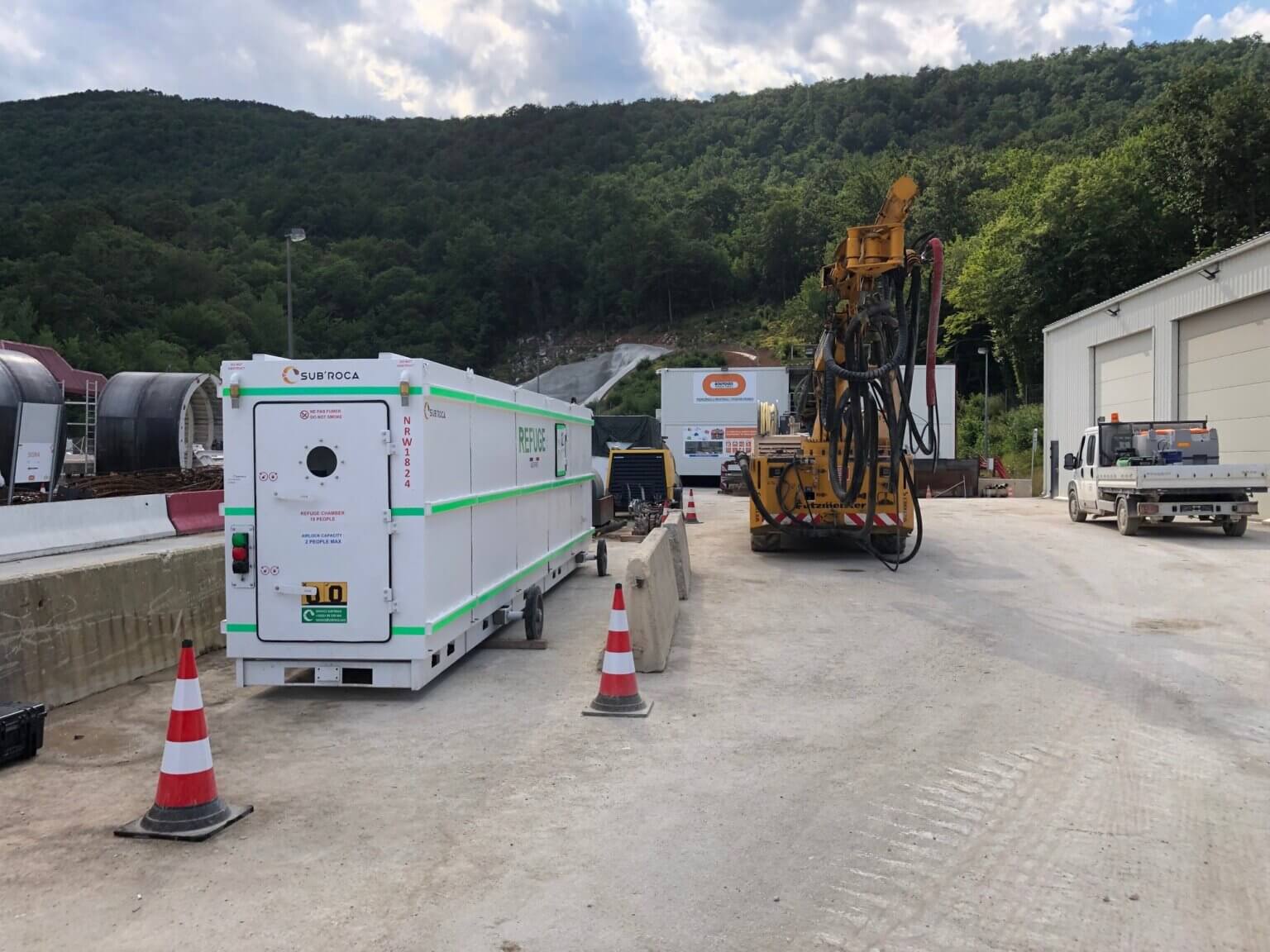
Designed to adapt to any type of active mining site, including mine shaft hoist cages, this series meets the needs of both small teams and the security requirements of an entire mining area, with capacities ranging up to several dozen people.
See details
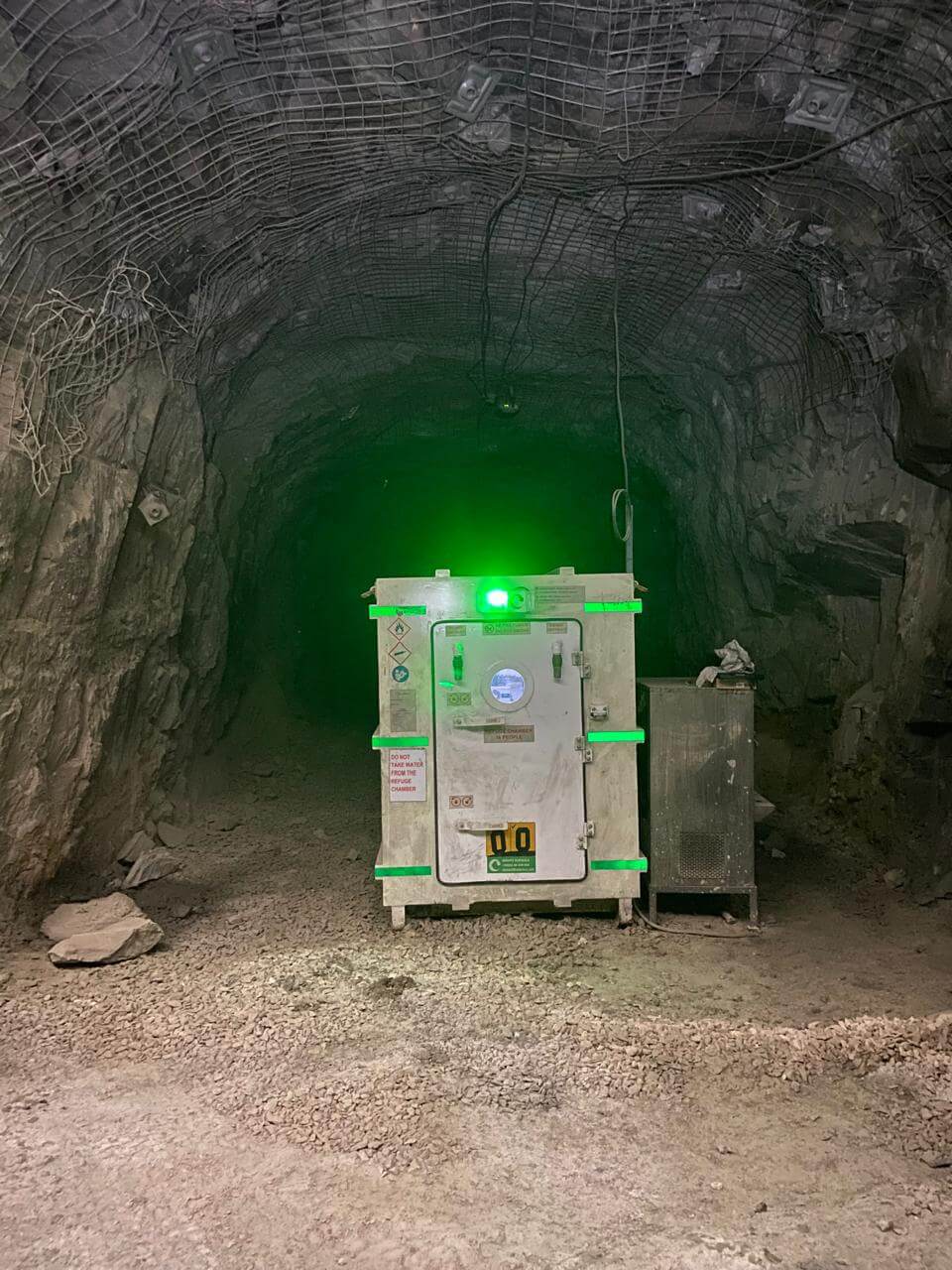
Shelt’air Compact Range
A Compact version is available for the most confined spaces: narrow tunnels and veins, and tight areas where a large-capacity shelter cannot be installed. These versions remain easily movable and provide protection for a smaller number of operators, as close as possible to the work areas.Key Takeaways
When an emergency evacuation through a standard exit is not feasible, the emergency shelter remains the only reliable alternative for protecting workers. Thanks to their modular design and adaptability to the specific needs of each site, these shelters provide a solution that can be used throughout the duration of a construction project.
Emergency shelters are typically mobile and can be positioned as close as possible to high-risk areas, which facilitates the implementation of the overall evacuation plan.
Frequently Asked Questions
It is an airtight shelter, also known as an emergency and rescue chamber, that provides breathable air to a specific number of people for a defined period of time, while awaiting the end of an emergency or the arrival of rescue teams.
Because an underground worksite (tunnel, mine, adit) generally does not have multiple access routes to the surface. In the event of a rockfall or fire, a complete evacuation is often impossible, making on-site shelter essential.
The two most common scenarios are rockfalls, which block access to the surface, and fires, which prevent evacuation and release toxic fumes.
Tunnels (tunnel boring machines, infrastructure projects such as the Grand Paris Express), underground mines and quarries, as well as underground public works construction sites.
Yes, the Compact line was specifically designed to fit into narrow tunnels and veins while remaining easily movable.
Table of contents
related product
Shelt'air emergency refuge chambers
https://subroca.com/underground-safety-equipment/sheltair-emergency-refuge-chambers/